Posted: 25/08/2026 • 7 minutes read
Did You Know There’s Peat Hidden in Your Kitchen?
Did You Know There’s Peat Hidden in Your Kitchen?
Let’s delve into the world of ‘hidden’ peat – the peat you probably don’t realise you’re buying (hint – it’s in your kitchen, and perhaps on your windowsills or in your garden).
If you’re like us, you’re conscious of protecting our precious peatlands. You know how important they are to wildlife, carbon sequestration, clean air, clean water, drought, flood and wildfire protection.
You’re probably making sure that you’re buying peat-free compost, or maybe you’re making your own? But it’s harder to have a peat-free home than you might think.
Whilst you might be able to grab a bag of peat-free compost from the supermarket nowadays, the shelves inside are still full of it.
Are You Buying ‘Hidden’ Peat?
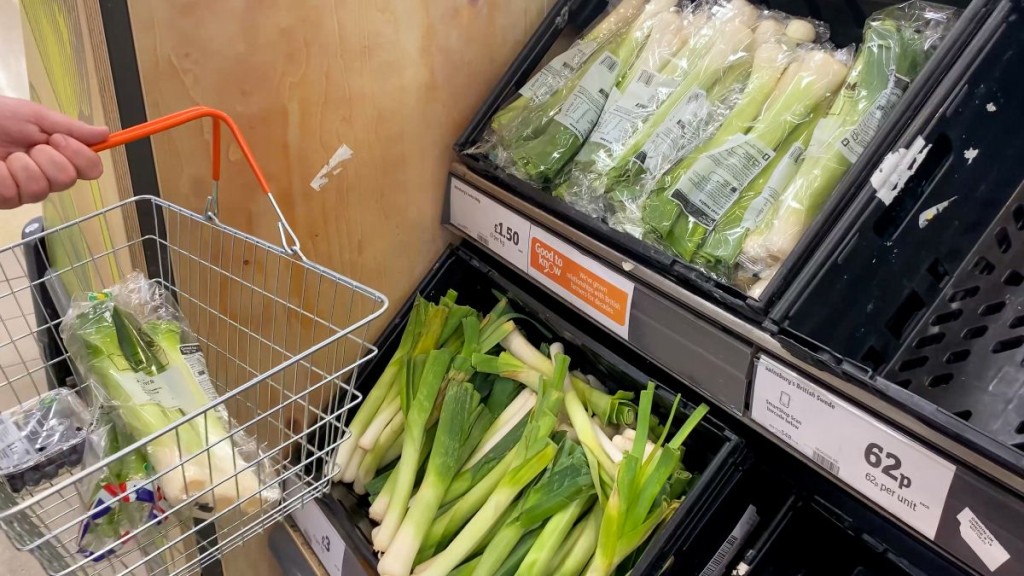
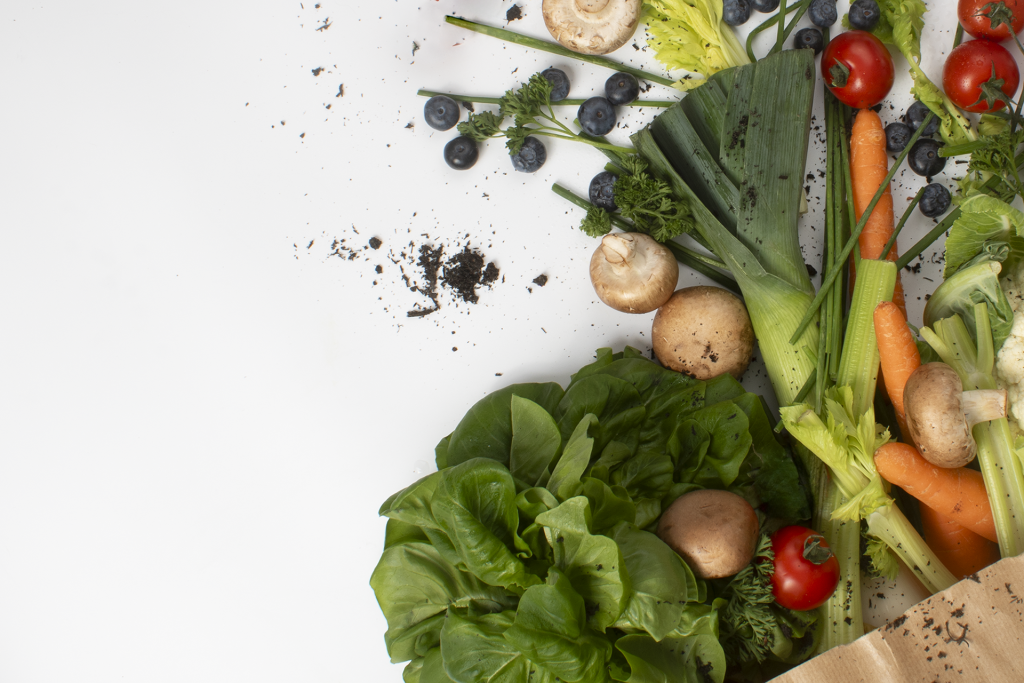
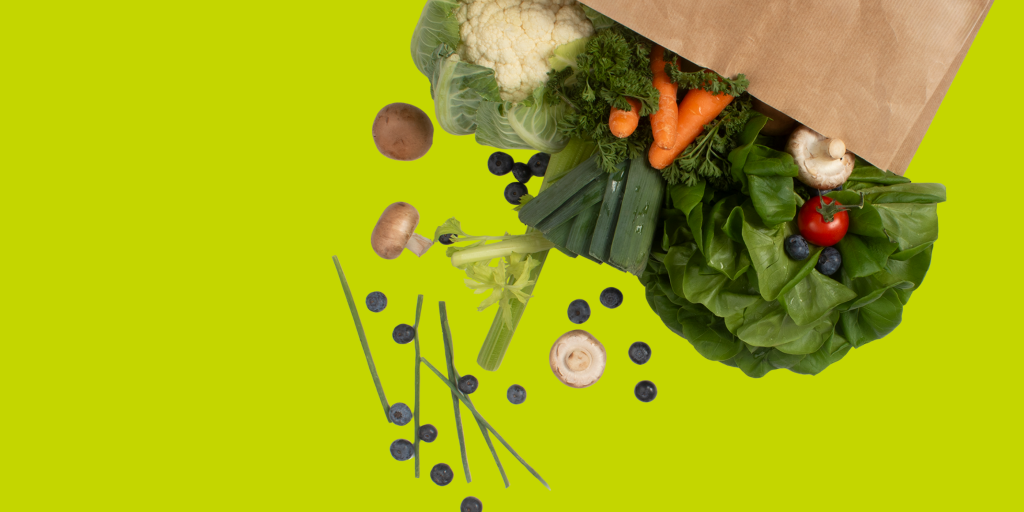
Many everyday fruits and vegetables you find in supermarkets are grown using peat. In fact, most mushrooms, salads, potatoes, many brassicas and herbs in pots – all use peat.
This means when you’re picking up ingredients for a Sunday roast, a fry-up or even a fresh salad – you’re likely filling your shopping basket with peat too.
Is Peat Bad for You?
Eating things grown in peat isn’t bad for you, and vegetables, herbs, green salads and many other plants grow very well in it. But to use peat to grow food and plants, peatlands are destroyed, and that’s bad for plants, people and the planet.
Supermarkets don’t have to label whether their produce was grown using it or not, so it makes it almost impossible to buy peat-free.
You can take action and ask your supermarket to join you in going peat-free by joining our campaign here.
How Much Peat is Used to Grow Our Vegetables?
A shocking 760,000 cubic metres of peat is used in the UK every year by the horticultural industry. Of that, about half is used to grow garden and bedding plants on sale in supermarkets and garden centres, as well as many of the fresh vegetables you find in the supermarkets.
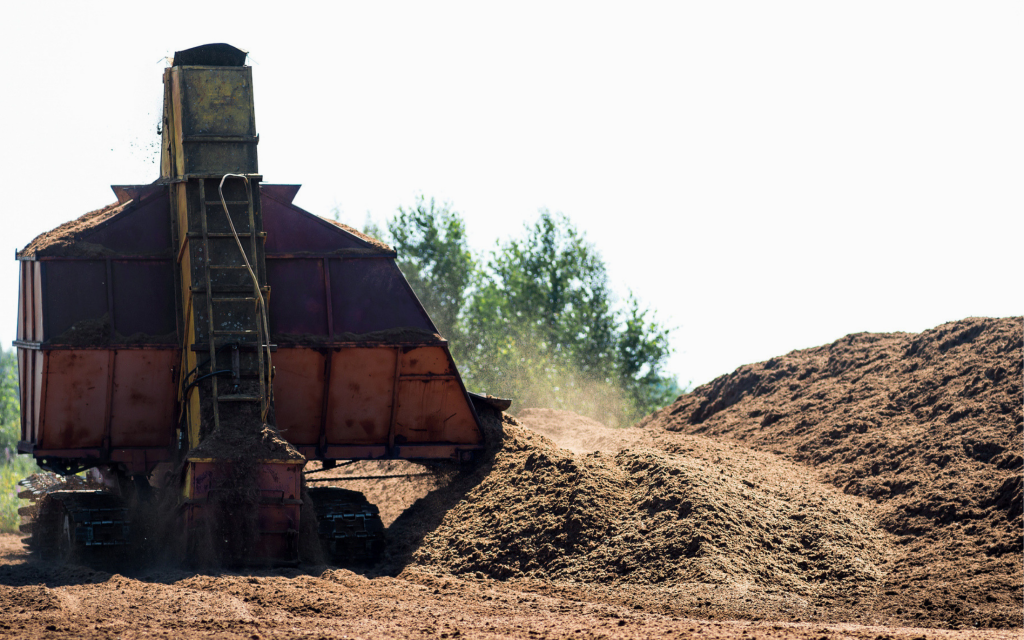
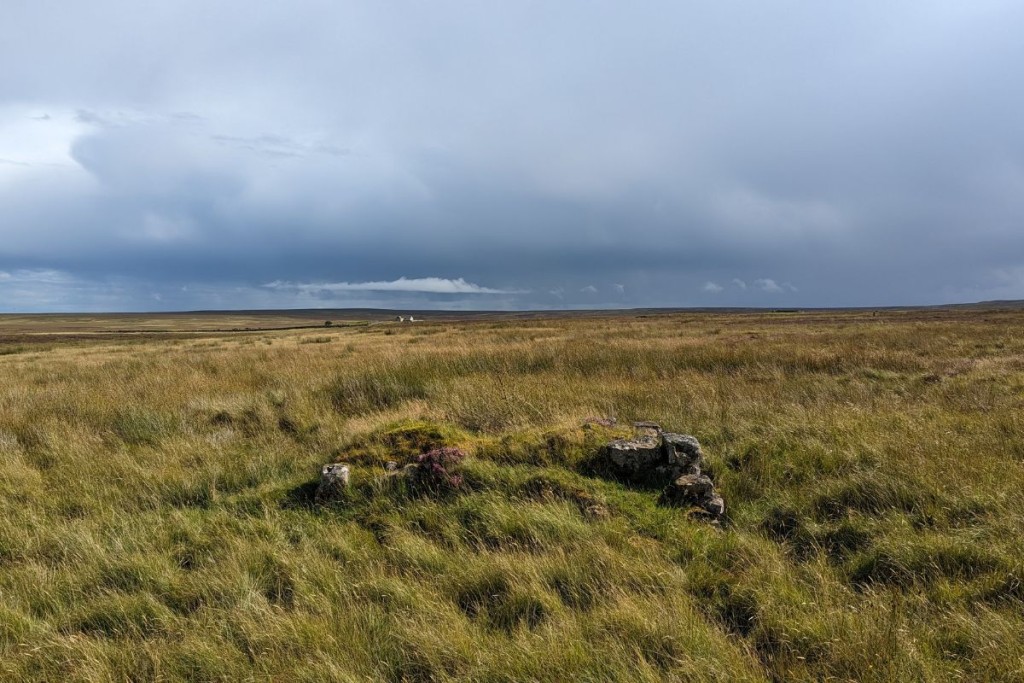
The peat used to grow plants is dug out of peatlands across the UK and in Europe, destroying their ability to hold water and protect local communities from flooding. This also releases thousands of tonnes of carbon into the atmosphere. Commercial peat extraction strips peatlands bare, leaving once richly biodiverse wetlands a black, scarred desert: even when rewetted, peat takes thousands of years to recover.
Despite covering just 3% of the Earth’s surface, peatlands store as much carbon as all the forests in the world – this helps to ease the effects of the climate crisis. So, the mining of peat isn’t just bad for peatlands and everything that calls them home, it’s bad for people and the planet too.
Can We Grow Food Without Peat?
The short answer is yes. And in fact, many growers are consciously making the move to avoid peat.
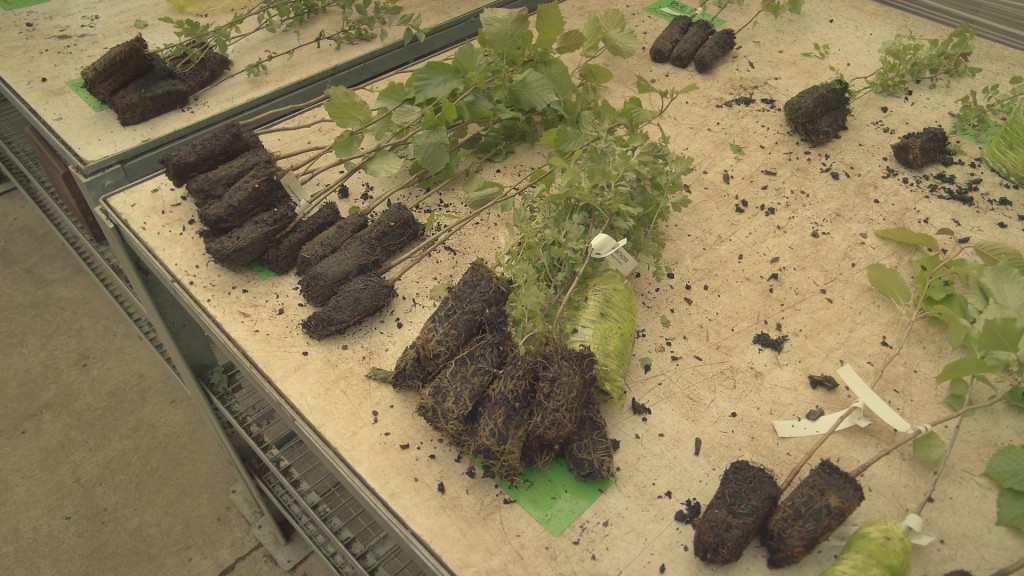
Recent breakthroughs include peat-free mushrooms, and peat-free compost that works in the tiny soil blocks used for commercially grown lettuce seedlings.
There are a number of excellent peat-free composts on the market now and you can even get involved in your own garden by making homemade compost. Learn how to make your own peat-free compost at our blog here.
How Can You Tell if You’re Buying a Product Grown Using Peat?
Unfortunately, it’s almost impossible to tell.
There’s no law that requires growers or sellers like supermarkets to include this information on their packaging.
Only if a label says clearly that a product is peat-free can you be confident, but there are no rules that say you have to label it either way.
We can make sure that supermarkets know we want this information. Ask staff members whether the produce has been grown in peat – this helps tell stores you care about how your food and plants are produced and that you care about peat. Be aware though that particularly in food stores staff may not have that information.
Currently, no food retailers supply exclusively peat-free fresh food.
Are Supermarkets Moving Away from Peat?
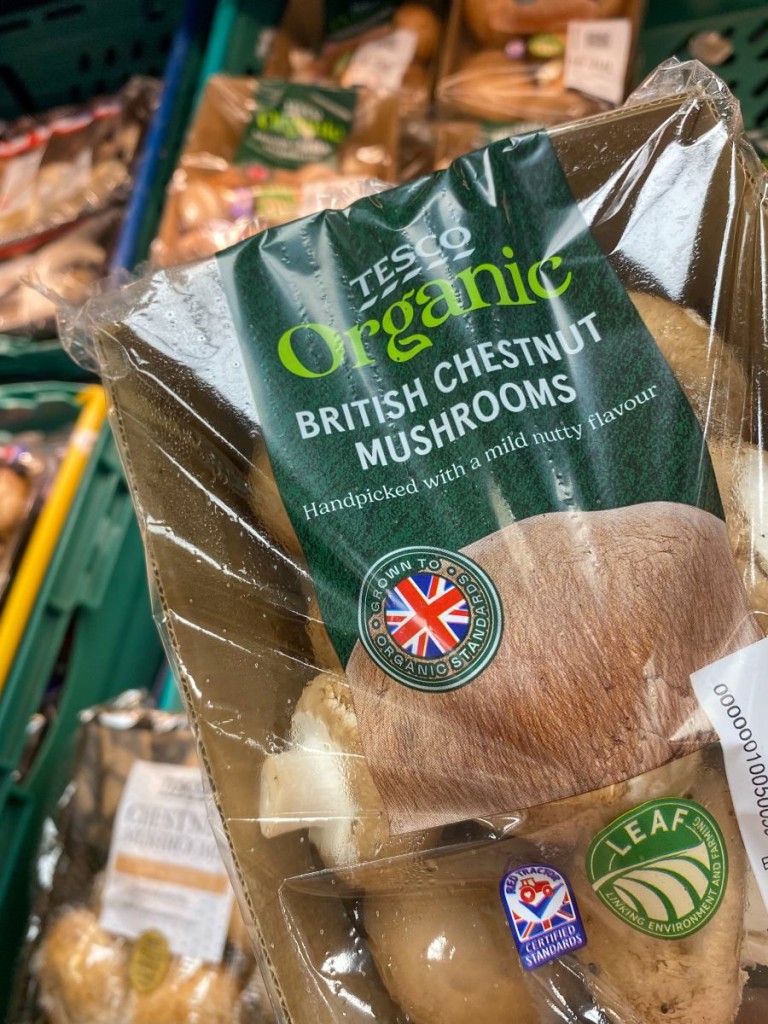
When it comes to food, the answer is complicated – without a ban, growers don’t have the support they need to stop using peat altogether.
Tesco is making strides to reduce peat, with all bedding plants and most garden plants sold in store now peat-free; plus Lidl, Waitrose, Co-op, Morrisons, Sainsburys and Iceland all have peat-free policies in place for the bagged compost they sell, which is a step in the right direction.
For fresh food, if you want to be peat-free, veg box suppliers could be a good option. No veg box supplier is fully peat-free but Riverford Organic Farmers for example is working hard to phase out peat use where it can – all mushrooms supplied in Riverford’s boxes are now peat-free.
Isn’t Peat Banned in the UK?
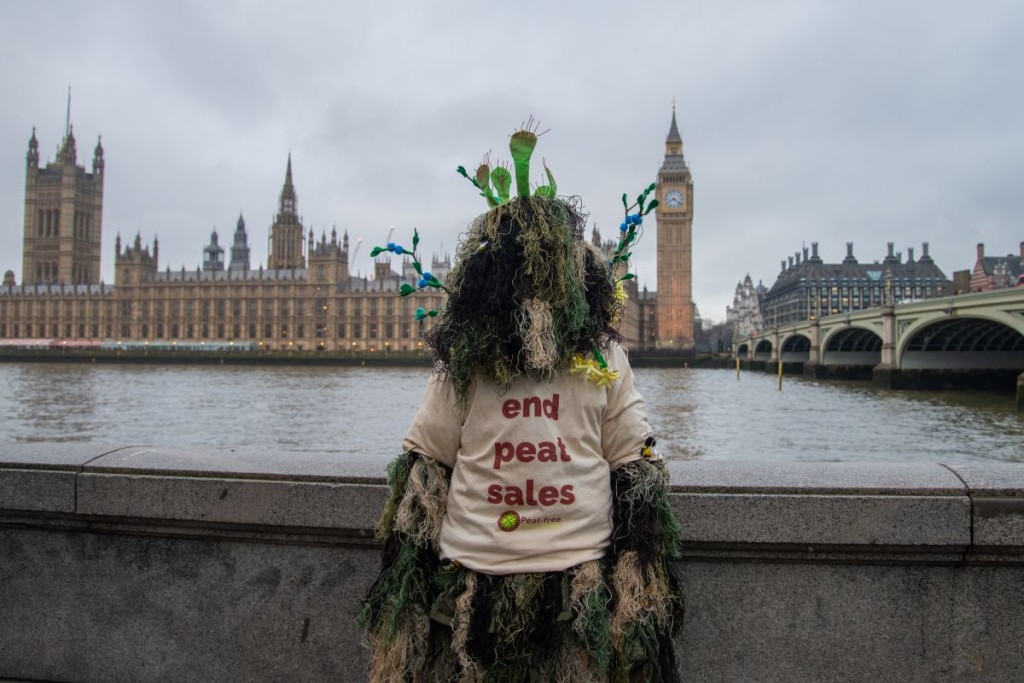
Many people mistakenly believe that peat is already banned in the UK – but unfortunately, that is not yet the case.
It was 4 years ago that the government committed to banning peat sales, but as of yet, no legislation has brought into place.
Many thousands of ordinary people just like you joined us in calling for a ban last year, when we handed a petition into Downing Street. You can find out more about the petition here.
Why is a Peat Ban Important?
Growers need the certainty, clarity and support that comes with legislation setting out a clear timeframe to end the use of peat in horticulture. A ban would help growers build on all the good work they’ve done so far in phasing out the use of peat in producing the fresh food and plants we buy every day. It would also create a level playing field for all businesses. And best of all, it would mean we can all buy plenty of great, British-grown fresh food and beautiful plants for our gardens in the absolute certainty that our purchases aren’t inflicting any more irreversible damage on our precious peatlands.
Get Peat Out of
Our Homes
Take action to remove the hidden peat from our supermarket shop!