Posted: 14/04/2026 • 4 minutes read
Go Peat-free This Spring by Making Your Own Compost
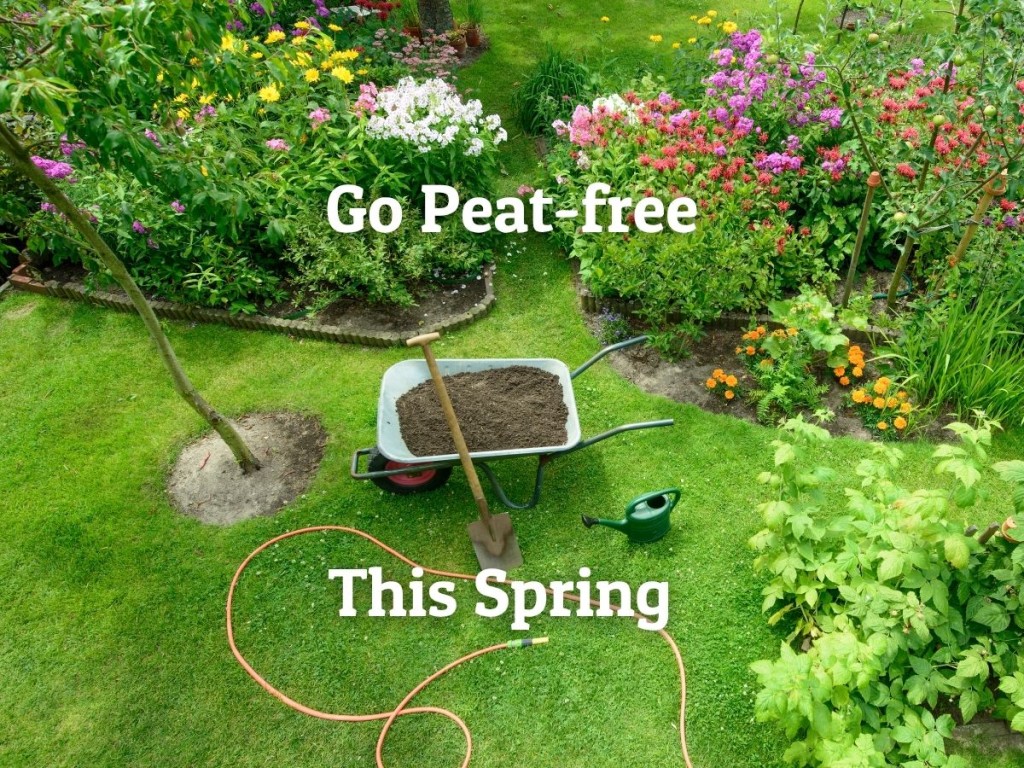
It’s official, spring has sprung! The days are longer, the birds are singing and the sky is blue (ish). The garden is calling.
Yes, it’s the perfect time to don the gardening gloves, grab a trowel and get back out there to get a head start on the season.
Whether you’re sprinkling some seeds, beautifying your borders or planting some plugs – the only way to go this year is peat-free. But did you know that compost with peat in it is still being sold in the UK?
Despite the government announcing plans to end peat sales last year – which was a positive step forward – there’s still no legislation or timeline in place.
We’re calling on the UK Government to put the ban into law in 2026.
But the thing is that peat isn’t even necessary for growing. In fact, the Royal Horticultural Society (RHS) has said ‘no new peat’ for all show gardens and exhibitors at its shows this year and from this year all plants sold at RHS garden centres will be peat-free.
So, what’s the solution? The good news is that many garden centres are making the move towards peat-free and you can now buy a wide range of peat-free bagged composts: many garden centres also offer plants grown without peat (it won’t say on the label if a plant is grown in peat, so ask the staff if you’re not sure). If you want to find out more visit our guide to the garden centre here.
But there’s also another way you could go, which is to compost at home.
A Guide for How to Make Your Own Peat-free Compost
How to make your own peat-free compost :
- Collect loam (aka soil)
You could collect soil by digging some up from your garden, but if you don’t have any to spare, did you know that mole hills give an ideal alternative? You could try to collect soil from a mole hill in your or your neighbours garden (with permission). Or ask a friendly farmer if you if you could collect from mole hills on their land. This natural earth has a wonderful texture, and has fewer seeds than topsoil making mole hills a top tip for composters! Alternatively, you could choose to buy good quality topsoil from your local garden centre instead. - Make your own garden compost
Use clippings and trimmings from your garden along with green kitchen waste and place them in a compost bin. You could buy a ready-made one or build your own (cue a pile of wooden pallets and a spare weekend). Make sure that when you’re adding your garden waste, you don’t add any seed-heads or perennial weed roots to your compost. This could run the risk of spreading problems around the garden. - Make your own leafmould
This stuff is pure magic. Collect fallen autumn tree leaves and allow them to rot down for two years to get it fine enough for compost, or one year for mulching. Pull the leaves into either an open heap or in a plastic bin bag. This material is rich, free-draining and has a superb texture. - Now mix your own peat-free compost
This is the fun (and deeply satisfying) bit. Mix your compost to whatever formulation you like. A standard mix would use 3 parts loam, 2 parts sieved home-made garden compost and 1 part leafmould. This mix is for a general-purpose potting mix for use in containers or for potting on seedlings. For sowing seeds you’ll need to adjust the mix to make it finer and lower nutrient: 1 part loam and 1 part leafmould, sieved to remove debris makes an ideal fine seed compost. If you garden on heavy clay soil, you might want to add 1 part sand or grit for better drainage. Then for every wheelbarrow load, add 2 trowels full of organic slow-release fertiliser such as seaweed meal. Mix well to blend all the ingredients together (a bit like cake mix!) and your compost is good to go!
Now you’re ready to go with your peat-free compost, why not check out Plantlife’s Top Tips for Nature Friendly Gardening this Spring?