Posted: 15/10/2026 • 4 minutes read
The Peat-free Pathway for UK food growers
Ask most people what they’re thinking when you say the word ‘horticulture’, and they’ll usually start talking about flowers.
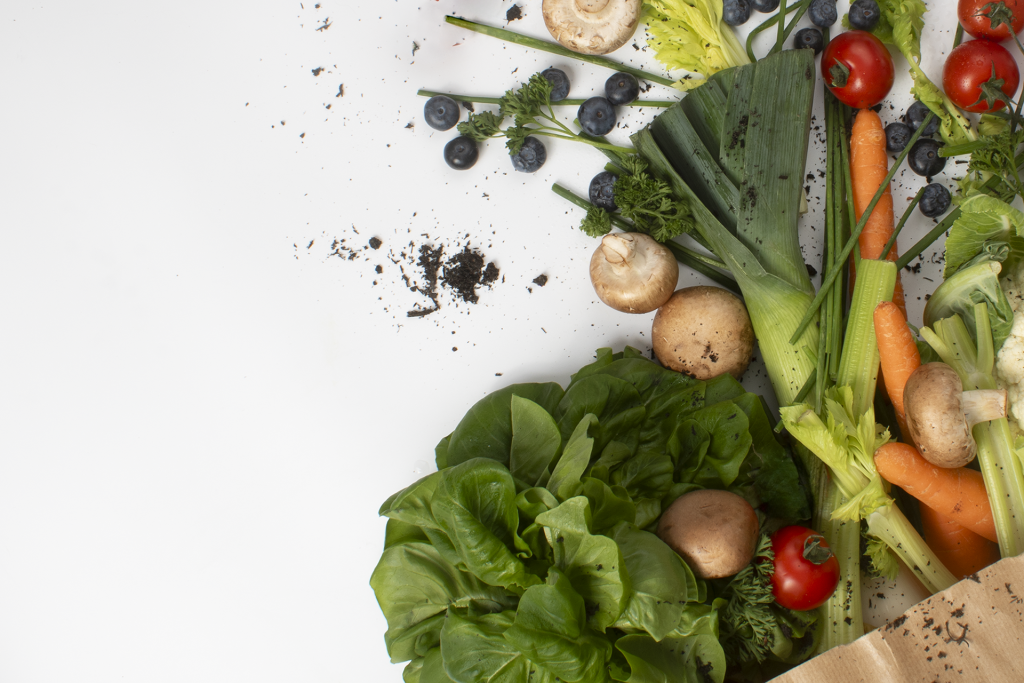
But UK horticulture is more than a pretty garden. It is the powerhouse that keeps food on our shelves all year round, but is currently mostly reliant on systems that were built to use peat. Food growers voices are essential in creating the vision of a peat-free future in the UK – and they are already creating it.
What is the Peat-free Pathway?
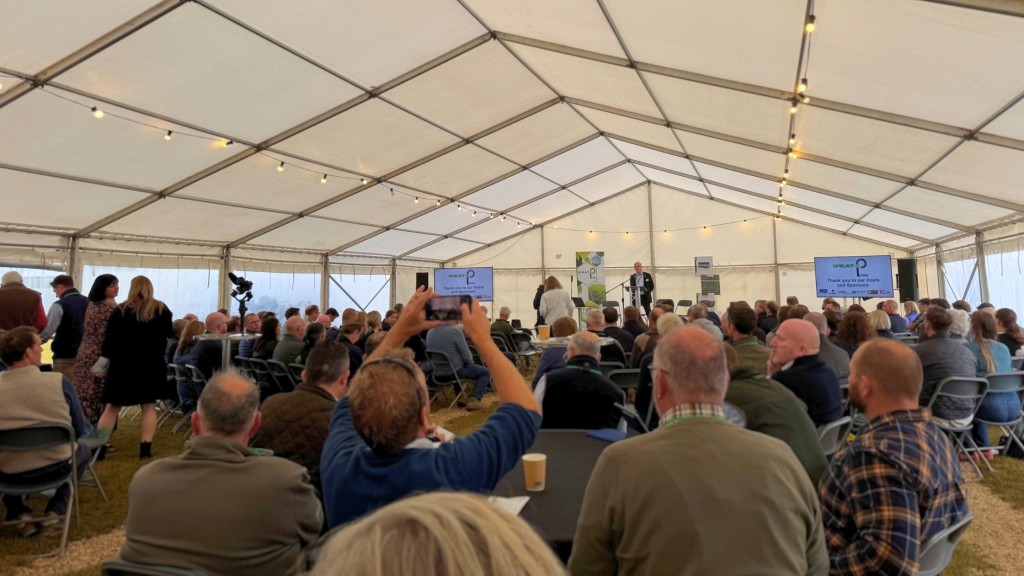
In October 2026, at the Peat-free Pathway conference in Boston, Lincolnshire, we opened the greenhouse door on the edible produce end of horticulture.
The conference gathered supermarkets, government officials, compost manufacturers and more alongside the growers who spend every day producing our salads, mushrooms, broccoli, leeks and herbs by the hundreds of millions – mostly using peat.
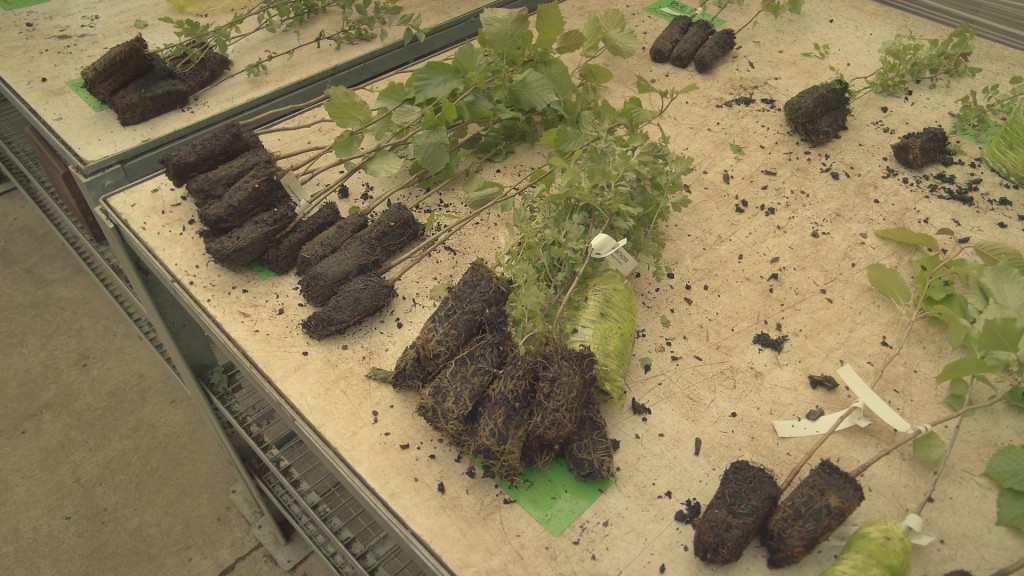
The scale is breathtaking: the greenhouses at leading brassica propagators Fountain Plants, our hosts for the day, cover 45 acres and hold up to 800 million seedlings. Food growers use somewhat less peat than ornamental growers, despite the vast size of the sector. Complexities like food hygiene, just-in-time production and global supply chains add several levels of intricacy to changing the growing medium on which it all depends.
The conference launched plans drawn up with 5 crop associations (leafy salads, herbs, propagation, mushrooms and brassicas) outlining a roadmap to transition production away from peat. This is a huge breakthrough for a sector once thought too highly mechanised, too finely-balanced, just too damn complicated to change.
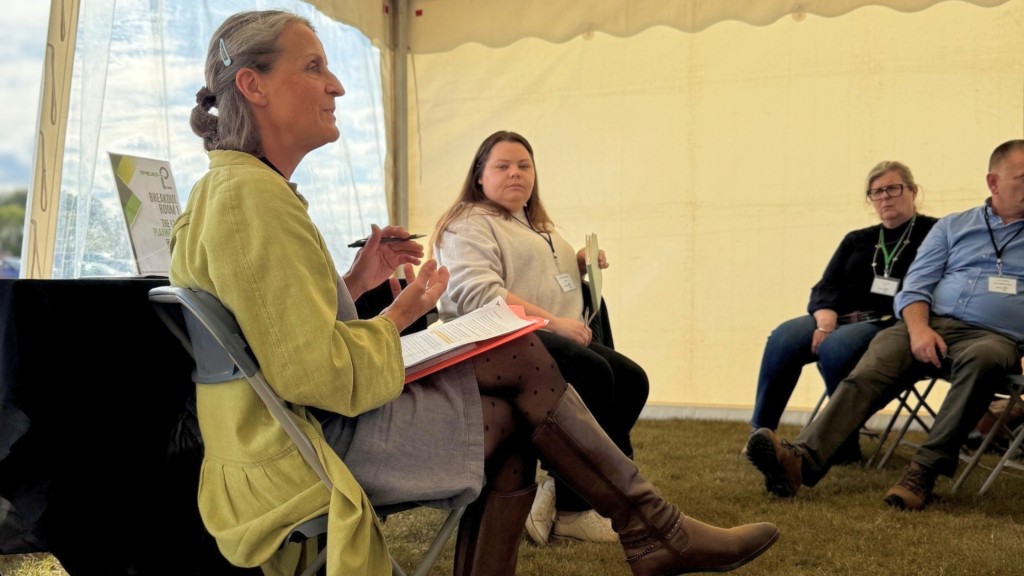
The future of food growing is peat-free
So what did the Peat-free Partnership discover after a day of discussions with peat-free growers?
- Peat-free mushrooms are now a thing: G’s Fresh supplies Tesco and Riverford Organics, while Monaghan Mushrooms have Sainsbury’s covered. Yields are currently lower, so they’re working on boosting results to bring the cost down.
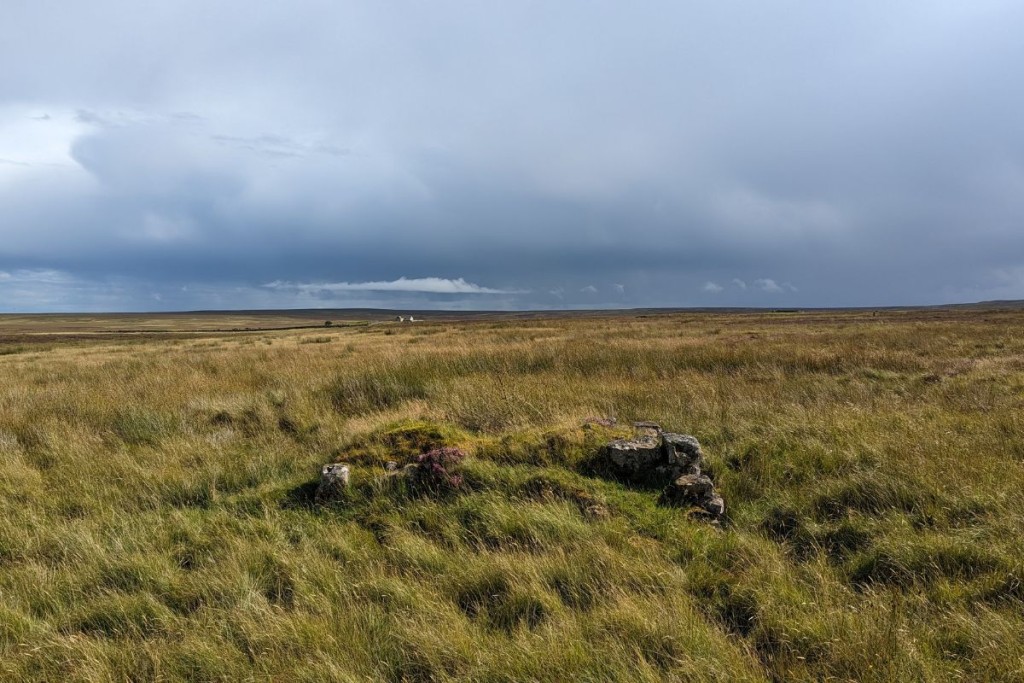
- Heather is the new buzzword in peat substitutes: gathered from sustainable management of heathland and moorland (often cut from peatlands instead of burning) it’s composted then used as a peat-free ingredient (regenegrow.com).
- Seed sowing solutions for automated systems are meeting the need for fine-grade peat-free to make the tiny vegetable starter ‘blocks’. They ranged from super-high-tech PlantTape or cute paper Ellepot tubes to a bespoke peat-free mix for existing machinery from Scottish innovators Silvibio (silvibio.com)
What needs to happen for food growing to become peat-free in the UK?
It all felt very cutting edge, but also a bit ‘new’. We know peat alternatives work well: but peat-free growing for this particular sector is relatively untried. It’s not surprising there was real and very understandable apprehension about rushing into change.
There was also, however, widespread acceptance that it’s just too environmentally damaging to keep using peat. This is an industry that wants to do things differently: but right now it doesn’t have the support or certainty it needs. It felt like a first step onto a path in the right direction.
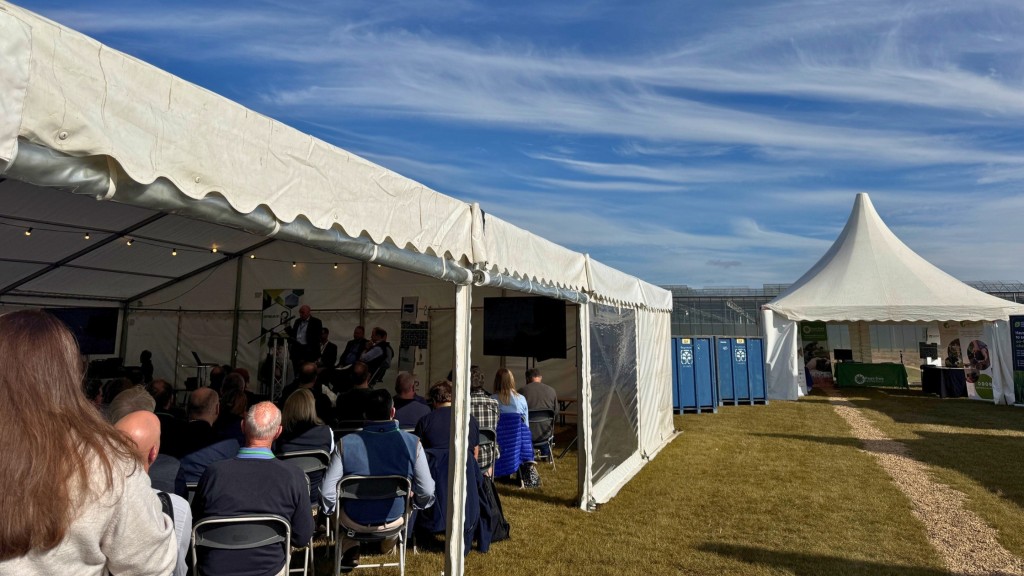
Now we need committed, steady backing from government and the clarity and fair, level playing field legislation can bring to lead us all into a successful, sustainable, peat-free future.
Are you a peat-free food grower who wants to join our mission?
We are looking for growers from across the horticultural sector to share their passion for peat-free in our campaign to end peat sales. Send us an email and we’ll get in touch to find out how we can best amplify your voice.