Posted: 05/12/2025 • 4 minutes read
What do elections in Scotland and Wales mean for legislation?
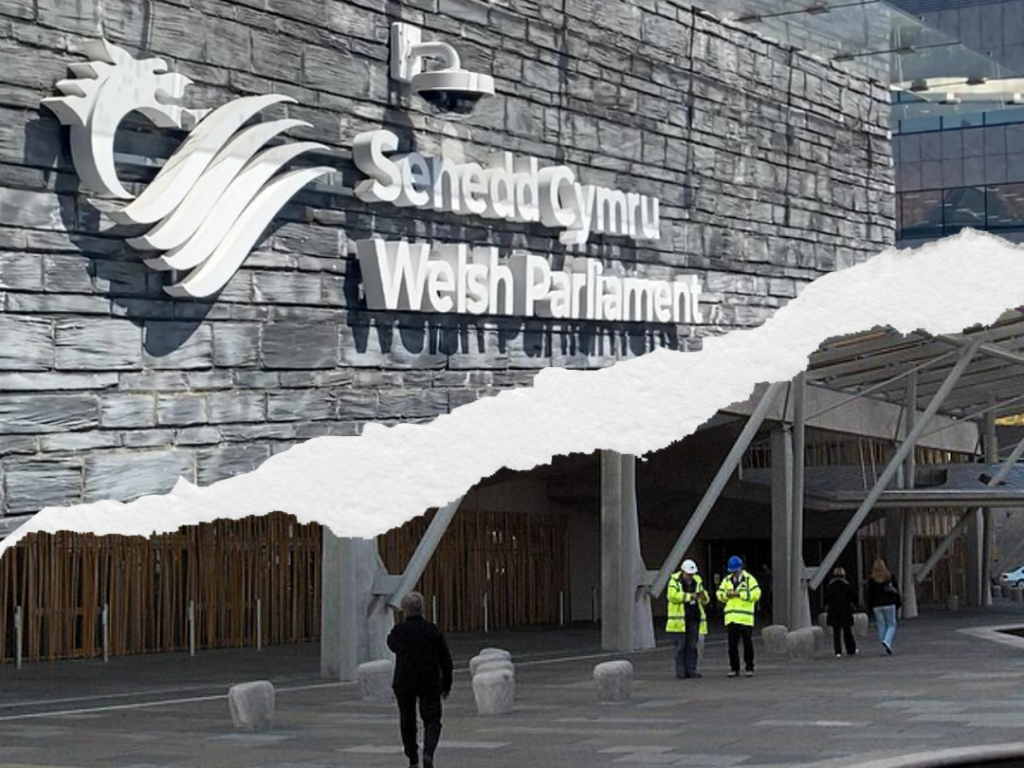
Elections take over everything. In Scotland and Wales, we’re shifting into a different gear as focus turns to the next government and how to influence incoming policies. It’s time to take stock: where have we got to, and where are we going next?
Scotland needs action, not words
In Scotland, a ban on horticultural peat for domestic use featured in the 2023-24 Programme for Government (although absent from the 2024-25 and 2025-26 plans). In a 2023 consultation, 76% of hobby gardeners supported a ban alongside more than half of professional growers and 50% of nurseries. Research into peat-free alternatives was conducted in 2020 and again at the start of 2025 by key institutions to build knowledge for the transition, as well as grower workshops hosted earlier this year.
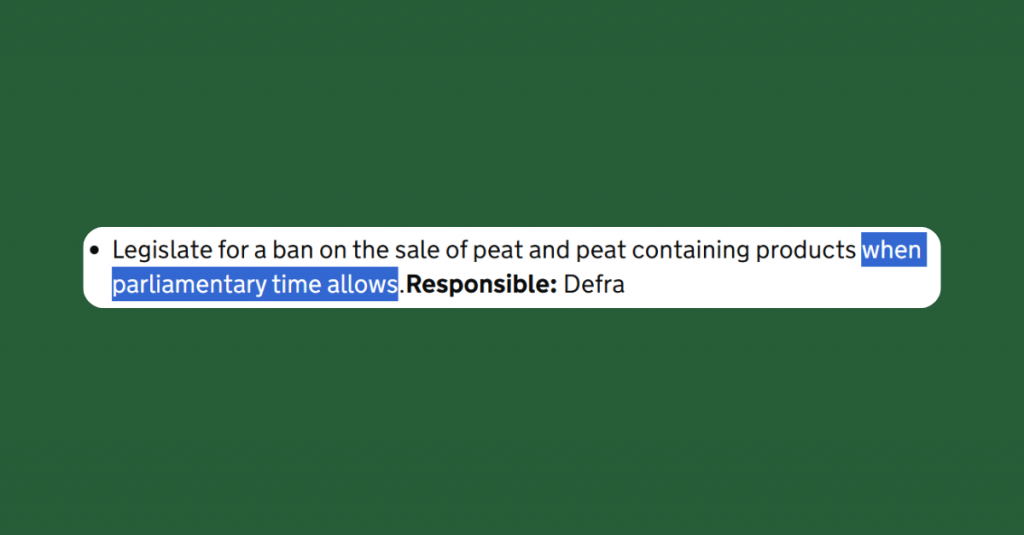
Our work in Scotland has continued while legislation remains absent. At the horticulture industry workshops in January, our advocate Sally discussed the transition with growers, hearing that their number one concern was a lack of clarity. This sentiment is echoed up and down the UK, where a lack of Government commitment has left the industry playing a guessing game as to the transition timeline.
We’ve made it a priority to show off the spectacular peat-free growing happening in Scotland. In May we took Minister for Agriculture and Connectivity Jim Fairlie to two nurseries growing entirely peat-free: Alba Trees, the UK’s largest cell-grown tree nursery, and Macplants, who showed off their peat-free Meconopsis (a notoriously difficult plant). Over summer, we provided a behind-the-scenes tour of Alba Trees in our Hort Shorts series, as they gave their message for other growers looking to transition to peat-free.
Scotland has a direct self-interest in ending peat sales. Around 20% of the UK’s peat supply comes from Scotland’s peatlands, which provide carbon storage, water regulation, and unique ecology. Peat extraction also presents a problem for carbon accounting, threatening Scotland’s ability to fulfil its climate targets. We have the knowledge; it’s time for action.
Wales must take responsibility for peat demand
Wales is unique in the UK in that no peat extraction occurs within its borders. Nonetheless, the Welsh Government has a longstanding commitment to end peat sales, announced in 2022. This commitment was reaffirmed in September 2024, at which point the Government was “continuing to engage with Welsh stakeholders and the UK Government to discuss key issues to ensure policy development and future legislation considers all practical and technical issues”.
We’ve had promising conversations in Wales; in May we attended the Senedd Biodiversity Day hosted by Carolyn Thomas MS where we spoke to Deputy First Minister Huw Irranca-Davies. More recently, we’ve been working behind-the-scenes on the upcoming Environment Bill, hoping for it to include principles that would prevent offshoring of carbon emissions. Although Wales doesn’t extract peat, the use of peat in gardens across the country fuels demand from Scotland, Northern Ireland, and mainland Europe.
Taking responsibility for the environmental impacts in other countries that arise from activity within Wales is key, and is in the spirit of the impactful principles enshrined in the Wellbeing of Future Generations Act. So, we’re continuing to work towards legislation to end peat sales in Wales, once and for all.
Change is coming
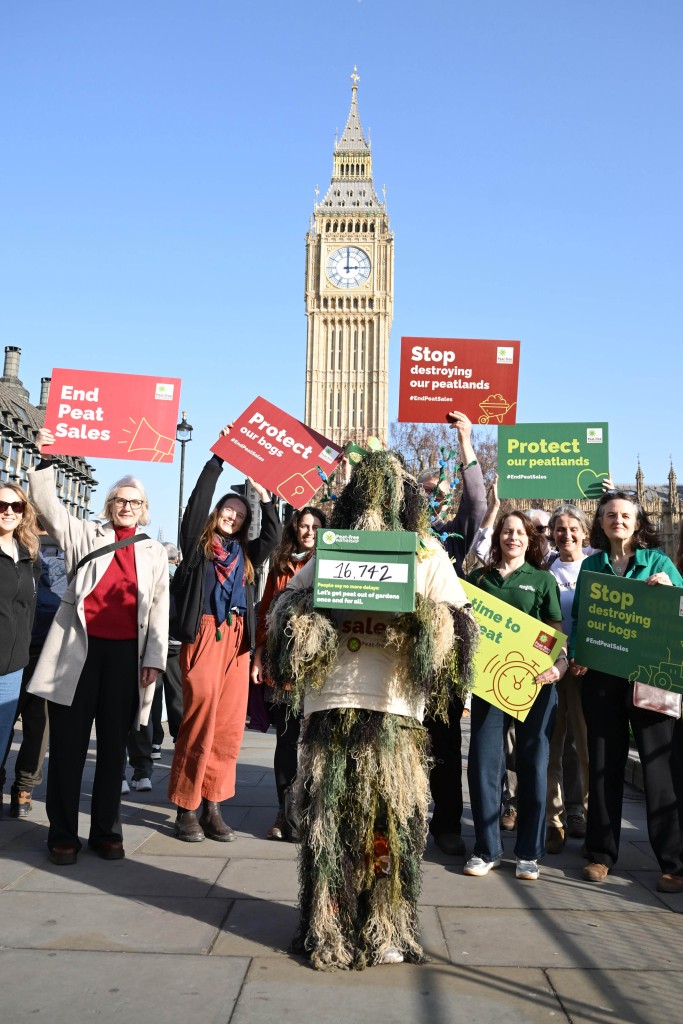
In the midst of electoral upheaval, people across the UK are adding their voice to the call for UK-wide legislation to be introduced by Westminster in 2026. You can join us: click here to add your name.
Meanwhile, we’ll be keeping an eye out for those manifestos…