Posted: 25/11/2026 • 4 minutes read
UK supermarkets fail to report on peat use in 2026
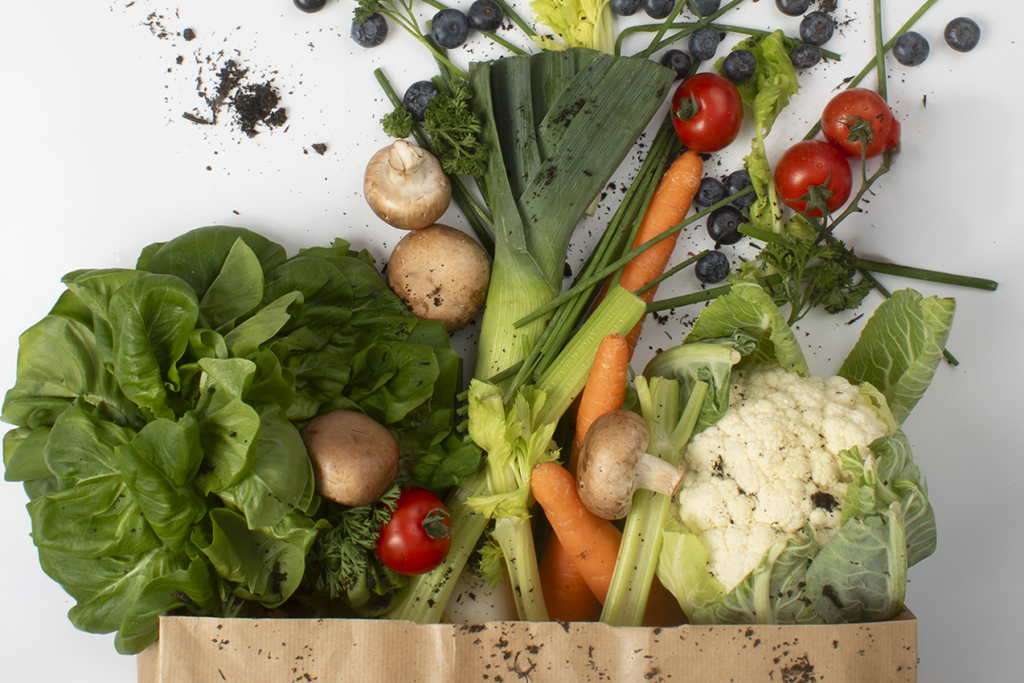
Over 96% of British grocery sales are through supermarkets, so these huge companies have a big say in what we eat and how it’s grown. Through their purchasing decisions and sustainability commitments, they could help drive positive environmental change.
But not one single UK supermarket is keeping tabs on how much peat is used and destroyed to grow our weekly shop.
What’s in Store for the Planet?
Supermarkets have taken action to improve many environmental issues over the years, from palm oil to plastic. Now we want to see an end to the use of destructively extracted peat to grow the food on their shelves.
The latest 2026 WWF What’s in Store for the Planet report charts how major UK food retailers are progressing towards their commitments to reduce the environmental impact of UK shopping baskets.
The report includes a measure looking at the percentage of lowland peat restored or sustainably managed. However, there was no response from any supermarkets against this measure.
While this measure relates to growing food on peat soils rather than the extraction of peat to create the compost used to grow our vegetables, it raises an important question: why isn’t reducing peat use in food production a bigger deal?
Supermarkets should be monitoring the peat used throughout their supply chains, setting clear targets to reduce it and supporting growers to make the transition to sustainable alternatives. But it’s just not on their priority list.
Without transparency and accountability, progress is impossible to measure.
Peat-free food is a bog deal for sustainability
The peat used to grow our fruit and veg in greenhouses is industrially extracted from peatlands using heavy machinery, causing irreversible destruction. It re-forms at a rate of 1mm a year, so peat that’s dug out on such a huge scale won’t re-form in our lifetimes.
If supermarkets and the UK Government care about food security, they need to start caring about peat.
We are currently reliant on a system based on a product that will one day, disappear. Peatland habitats such as bogs and moors are a unique refuge for rare wildlife, and have an environmental superpower – they globally store more carbon than all of the world’s forests combined. Saving peatlands is not only a huge win for nature, but would hugely contribute towards sustainability targets for any business committed to ending peat use.
People want planet-friendly food
It’s not just campaigners who want to see peat-free on the menu. In the latest Eating Better Public Attitudes Survey, 76% of people are concerned about the impact of climate change and nature loss on our food system.
We are all increasingly concerned about where our food comes from and the resilience of our food system. Everyone has a part to play in saving our peatlands, it’s time for supermarkets to step up and act on these concerns.
Saving our peatlands will save us, through tackling the climate crisis and creating new, more resilient food systems for future generations.
Whilst we as consumers can ask questions, many of us can’t directly change how our food is grown. So we need supermarkets to do their bit.
The Peat-free Partnership are asking supermarkets to…
- Clearly label products which are grown using peat extracted from peatlands, so customers can shop with confidence
- Reduce and remove peat from their supply chains
- Ask the UK Government to set legislation to end peat sales, and support the transition to peat-free for growers
Join the mission to make your supermarket peat-free by sending an email asking for action. Get involved here.